Saturday, March 20, 2010 | Follow Us:
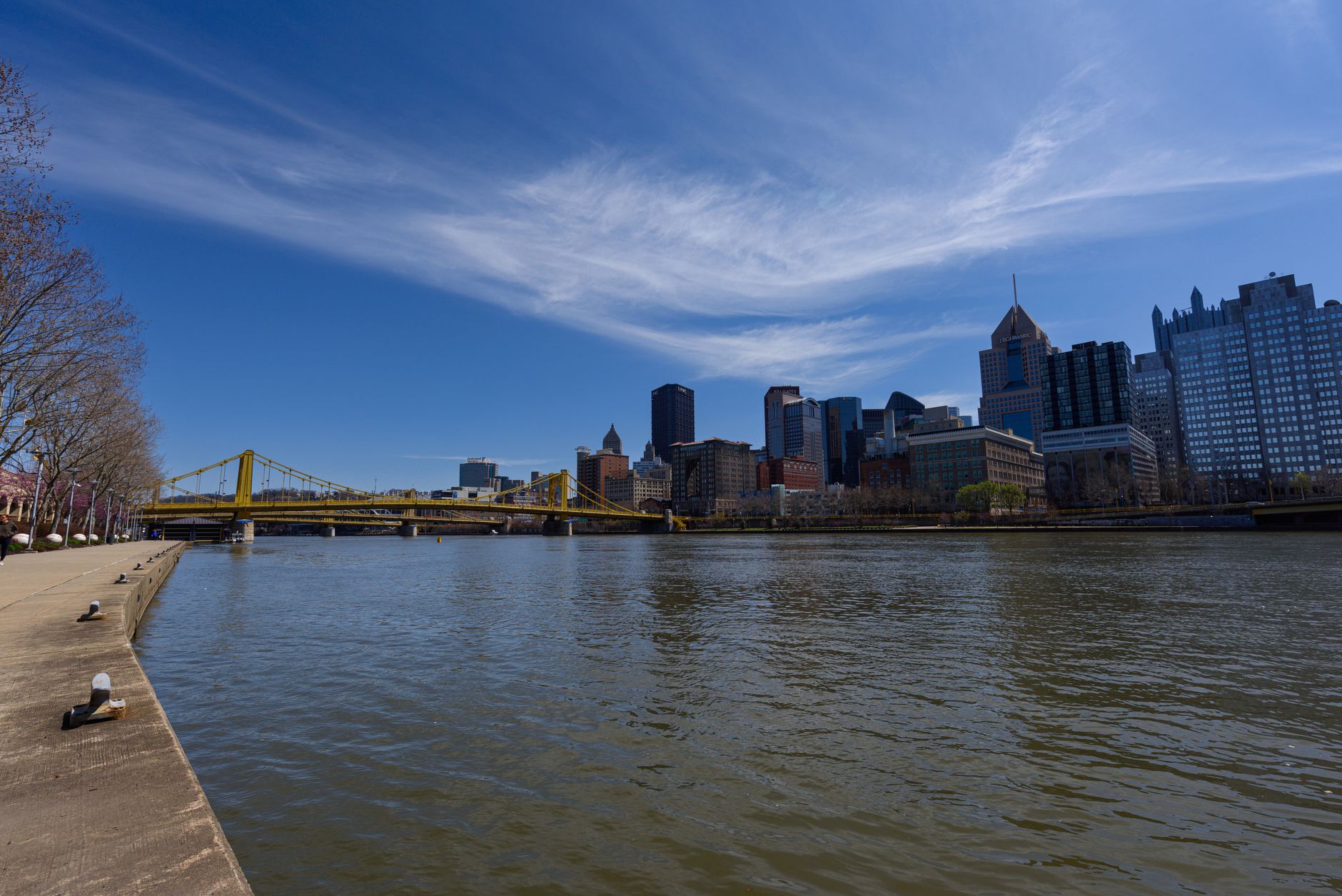
The Baltimore and Ohio Rail Bridge Reflected in the Monongahela River.  Photograph Brian Cohen
The Baltimore and Ohio Rail Bridge Reflected in the Monongahela River. Photograph Brian Cohen

Features

The Art of Public Art

The term public art might seem like a contradiction. While public is open to all, art is often mysterious and much less accessible. Most genuine artists strive for deeply personal, wildly original expression that questions the status quo and incites the viewer. These concepts are not always embraced with open arms by civic leaders and the general populace.

But most enlightened cities have come to realize that successfully mixing public with art can brand them and help define them as world-class cities. Successful public art can engage residents, welcome visitors, attract business, entice media, and complete buildings and landscapes.

The key is to make it successful.

“Public Art” that fails can enrage residents, repel visitors, drive away business, become a media joke and end up as costly, irrelevant dust-catchers in buildings and landscapes. Which is why the integration of public with art can be as risky as it is rewarding.

Pittsburgh’s leadership has been working to take the city’s public art to the next level. An impressive funding and management coalition that includes the Heinz Endowments, Mayor’s Office, Department of City Planning, and Greater Pittsburgh Arts Council has recently doubled its investment in the future of local public art.

The group first demonstrated its resolve in February, 2005, when the Pittsburgh Office of Public Art was created and Renee Piechocki was chosen as its Director. The commitment was further strengthened this past August when the City of Pittsburgh hired Kim Baker to be its first Public Art Manager.

Piechocki and the Office of Public Art have had many successes over the last two and a half years. Most visible are a couple of books, including Pittsburgh Art in Public Spaces, a beautifully photographed, well-written and researched guide to the art and architecture in and around Downtown. Since much of Pittsburgh’s public art is either hidden away (like Romare Bearden's fabulous mural in Gateway Station) or not easily recognizable as being created by an artist (Tony Tasset’s magnolias at Seventh and Penn), the publication is invaluable for self-guided tours of the area.

Building Community

The Office of Public Art also assists artists and creates various forums where the community can come together, talk about and learn more about art. The Office sends a monthly online Opportunities Listserv - like a want ads for both established and emerging artists - which announces national and local competitions, requests for proposals, and calls for artists. It lists everything from well-endowed public art commissions strictly for professionals to projects open to the most fledgling art student. The organization is also working to find a way to provide affordable health insurance to individual artists.

In September, the Office of Public Art launched the Pittsburgh Artist Registry. This new web site functions as a central gathering place for the portfolios of visual, performing and literary artists living in southwestern Pennsylvania. Anyone who wants to buy or commission art or seeks an artist for an event or project can visit the site to see what the Pittsburgh region has to offer. Check it out at www.pittsburghartistregistry.org. Funding for this free service came from the National Endowment for the Arts.

In addition, the Office of Public Art sponsors many educational and celebratory events. Recently the Office co-hosted a lecture and party for the new Public Sculpture Langley Observatory Clock by R.M. Fischer, located in the North Shore Riverfront Park near the Carnegie Science Center. This is the seventh community gathering arranged through the Office of Public Art.

While Piechocki and Program Assistant Lea Donatelli have their desks at the Greater Pittsburgh Arts Council in the Cultural District, new hire Kim Baker belongs to the Department of City Planning. It might seem like more than a few blocks separates the fairly new arts advocacy organization from this bastion of bureaucracy, but since their marriage is blessed by the Heinz Endowments (which has funded the City position for three years), the hope is that the union will be fruitful.

The First Public Art Manager

Age 30, Kim Baker is a Florida native who comes to Pittsburgh from Seattle, where she worked in its Office of Art and Cultural Affairs for seven years. She arrived here in August with two suitcases and a 17-year-old cat, and now lives in Lawrenceville. “My apartment is beautiful,” she says. “I never would have been able to afford it in Seattle.”

While she is now responsible for maintaining the City's 100 or so pieces of art as well as its future acquisitions, she's also the staff person for the Art Commission, which reviews art and design projects intended for public property. Most interesting, however, is her charge to expand Pittsburgh’s Public Art.

Baker believes the money will be there to make it happen. “This administration is committed to developing Public Art,” she says."  One of her first orders of business is to review the City’s existing Public Art Funding Ordinance, which stipulates that one percent of the cost of construction done by the City (of more than $50,000) go towards creating art. “In any civic structure that’s built, art needs to be incorporated and artists need to be brought in from the beginning,” Baker said.

The problem is, the City itself doesn’t do much building. To get around this, Baker will investigate and create policies that find ways to include the percent for art in money the City does spend. “I’m in the Planning Department; I’ll know what’s happening,” she said. “People here are very supportive.”

When she looks down the road, she's excited by the prospect of commissioning Public Art. “Professionally, the opportunity is huge,” she says. “My personal slant is toward modern and interactive, but it’s not about my personal taste. Art can be scary. You don’t want people to feel art has been imposed on them. It’s not appropriate to just plunk it down. People need to feel ownership.”

As for any concerns that the people of Pittsburgh won't embrace the new Public Art, Baker doesn't buy it. “The tide here is shifting," she says.

"Pittsburgh has a great history of public art, from memorials to contemporary works," says Mary Navarro of the Heinz Endowments, "and we’ve done that in the absence of any large public arts program or funding stream which is how other cities have developed their programs," says Mary Navarro of the Heinz Endowment.

She cites the wealth of art here, from the George Rickey sculpture at National City Center ("because it moves in the wind and i's just so lovely to see") to the the Caplans--"the Pittsburgh people on the side of the FirstSide garage. There are little hidden gems that people don't often see," she notes.
Margie Romero last wrote about scooters for Pop City.


Captions:

Tony Tasset, "Magnolias"

Sculpture at PNC Plaza

R.M. Fischer, "Langley Observatory Clock"

Lucas Stock, "Celestial Weaving Girl"

Kim Baker

George Rickey, "L's One Up One Down"

All photographs copyright © Brian Cohen