| Follow Us:
Mirazozo Luminaria Installation at the International Children's Festival.  Photo Brian Cohen
Mirazozo Luminaria Installation at the International Children's Festival. Photo Brian Cohen | Show Photo

Features

Top reasons artists should move to Pittsburgh

.
.
Art is happening here in a big way.
In all corners of the city, artists of all genres are coming together and creating a buzz, finding an audience. I've seen great theater by contemporary playwrights here, have watched exciting performance art, and I frequent three art house movie theaters and a monthly showcase for emerging filmmakers. Local venues host literary readings several nights a week, featuring a mix of local talent and out of town writers. One avenue attracts folks to a lively gallery crawl once a month and downtown holds a wildly popular art crawl four times a year.

Crafters and other indie designers host an annual Handmade Arcade. In the last two years, the small press community has started two small press fairs: SPF (mainly for literary presses) and PIX, for small press comics. The DJ and punk music scenes are thriving. For a city of this size, Pittsburgh supports a surprising number of arts events:

The emerging arts are booming, and more established institutions are doing just fine. After all, not every mid-sized city sustains a ballet, a symphony, an opera, three major art museums, and several downtown playhouses. One creative couple I talked to even relocated here from Providence to send their kids to Pittsburgh's art-focused magnet high school, CAPA: Says painter Victoria Cessna, "When we decided to move, Rhode Island had just cut arts funding for public schools drastically. It was important to us that our kids got an arts education."
 
Even with so many other artists, Pittsburgh has room for your ideas.

I've seen it over and over. Movers and shakers, artists, creatives, and idea people come to Pittsburgh and make an opportunity for themselves by starting a reading series, opening a gallery, creating a small business, building a writers' residency, starting a new magazine, or hanging out their shingles. Bigger cities already have five or fifty of everything under the sun, and smaller cities don't always have the audience--whether in numbers or in temperament--to sustain new projects. Artist and web designer Cara Lynn Kleid worked in New York and Seattle before coming to Pittsburgh in 2008. She's been impressed with the enthusiasm that meets gallery openings and art events here: "More than an art market, there's an art audience in Pittsburgh. You can't always count on having your work bought, but if you show, you'll definitely be seen by a large number of people."
 
Pittsburgh is in flux--and you could be part of what it will become.

In Pittsburgh today, there's a real feeling of a city in the midst of reinvention, and with it a sense of possibility that anything could happen. It's exciting to watch artists being asked for their help and input: The city is still benefiting from the 2006 event, Engage Pittsburgh, where Pittsburgh artists and creatives were asked to come and brainstorm about the direction the city should be headed--and what kind of community projects the Sprout Fund should put $100,000 of its seed money behind. Meanwhile, the Penn Avenue Arts Initiative has sought artists, art venues, and creative entrepreneurs to help populate and start turning around a blighted 10-block stretch.
 
Pittsburgh's café
culture is revving up.
In neighborhoods like Lawrenceville, Bloomfield, South Side, Oakland, Polish Hill, Highland Park, North Side, and Squirrel Hill, cafés are teeming with creative folks not only pecking away on their laptops as the new cliché goes, but also meeting and greeting across tables, hosting readings and music performances, hanging artwork, and plotting the Next Big Thing. Whenever I hang out at Lili Coffee Shop, I always find myself in the middle of an informal planning committee, whether figuring out how to better Pittsburgh public transit, imagining improvements to urban design, or armchair-curating a future art show. The Te Cafe in Squirrel Hill hosts a BYOB night: Bring Your Own Bard with Shakespeare readings.
 
Pittsburgh real estate is so much cheaper than you imagined.

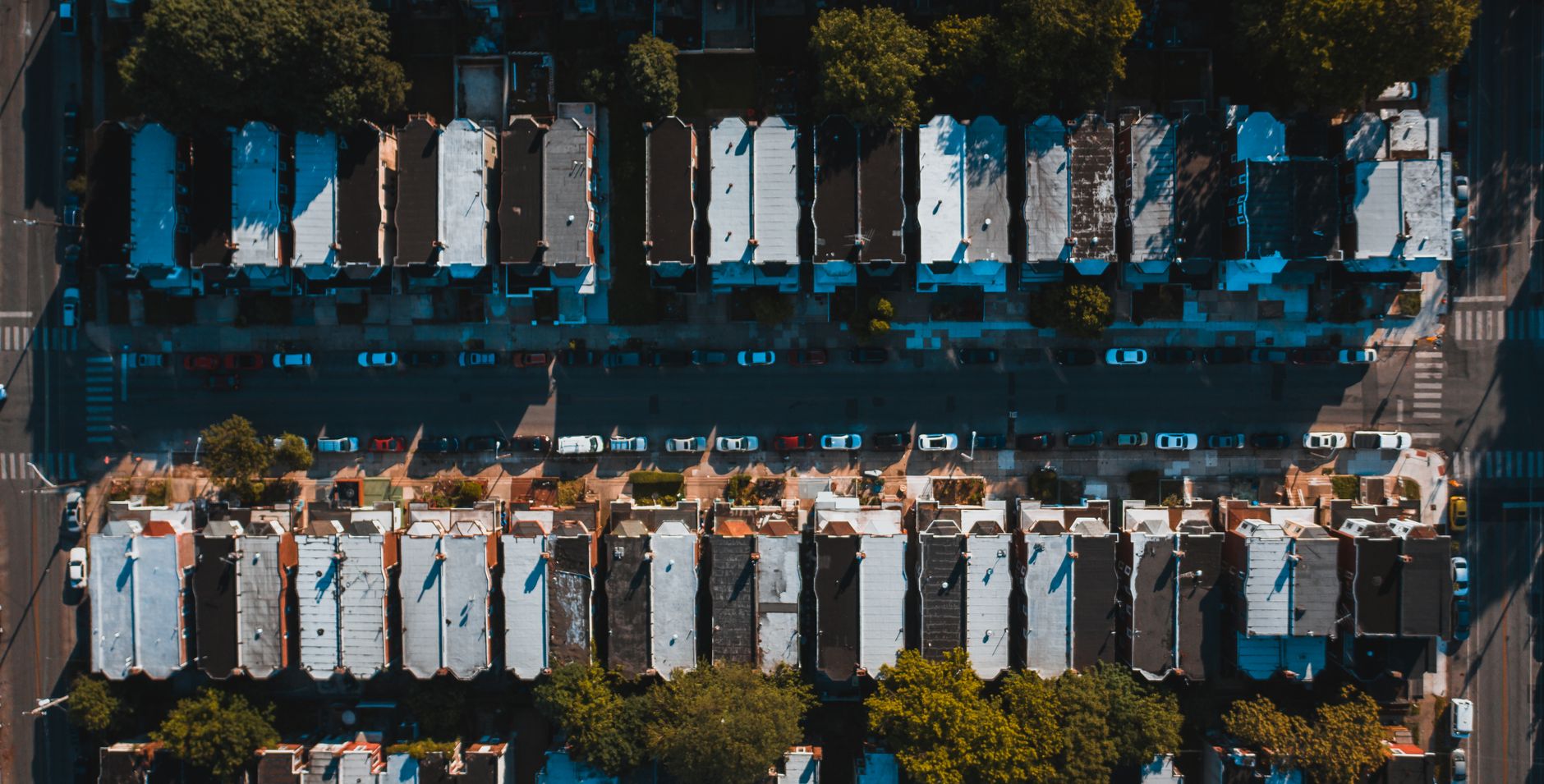
Many folks in the arts (myself included) cite low rent and expanded space as a key reason they moved here. After a few years of renting in Pittsburgh, my partner and I bought a well-built, move-in ready house in the city center for only $60,000. It's within immediate walking distance of at least four of our favorite neighborhoods (read: cafes, restaurants, food markets, and arts venues), and a short bus ride away from several others. Many of my home-owning artist friends in Pittsburgh have paid significantly less, sometimes making me wish I had more construction skills. Cyberpunk Apocalypse founder Daniel Patrick McCloskey moved to Pittsburgh (from Eastern Pa.) to go to school, but stayed here to create a writers' residency on a two-house lot he bought in Lawrenceville for $41,000. Resident writer and zine-maker Art Noose relocated to Pittsburgh from the Bay Area in 2007, and now houses her letterpress studio in Cyberpunk's basement. She finds that she has more time to write and work on creative endeavors since her rent here is so low, although she's had to learn the enviable new skill of structuring so much free time.

There's more, five more reasons to be precise. Look for them in Part 2 in two weeks. And  submit your reason here.
 
Captions: Coffee, art; CAPA; Bob Beckman at AIR; housing; public art; art, coffee.

Photographs copyright Brian Cohen

Share this page
0
Email
Print