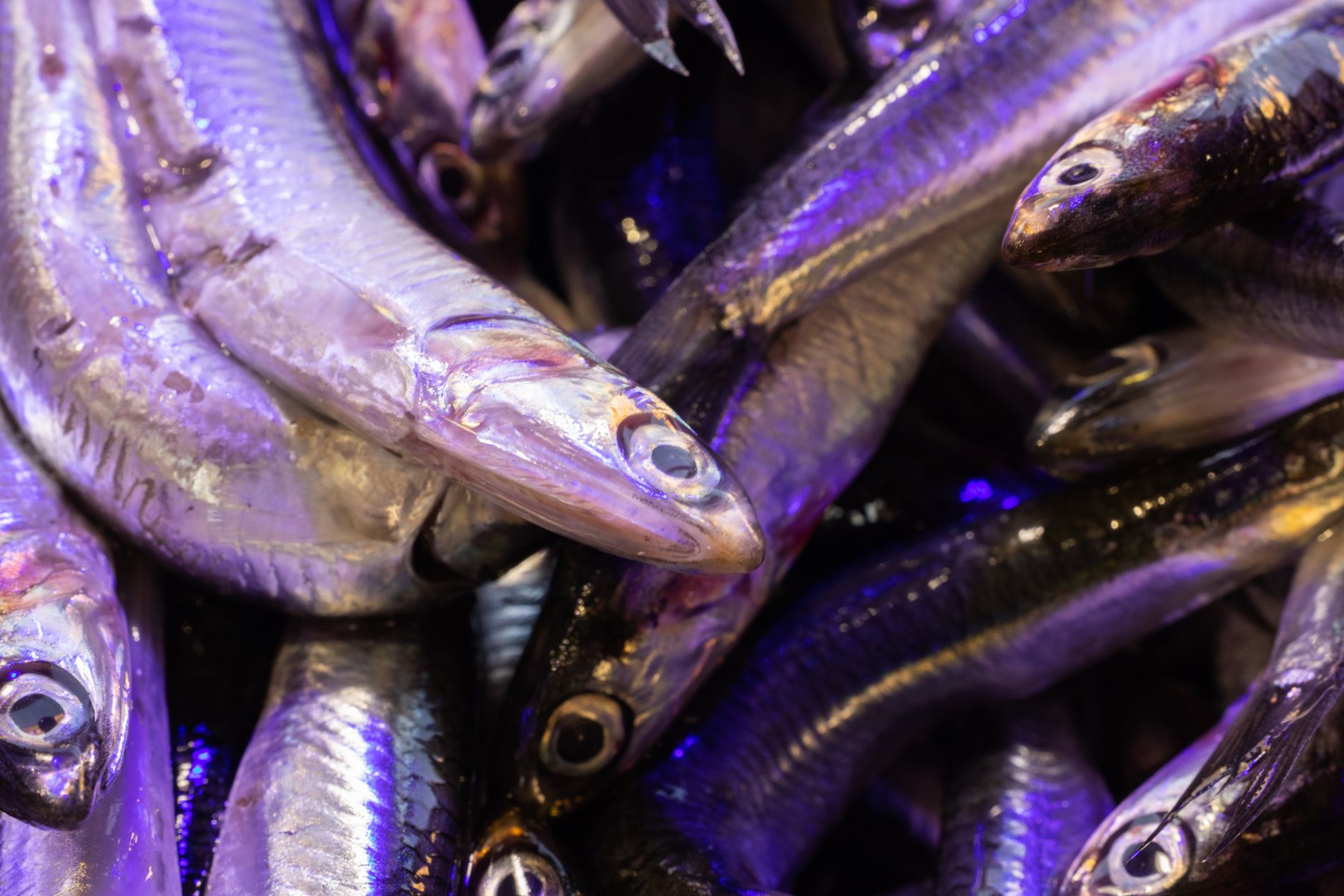
Fet fisk i Pittsburgh: where to find it and what to order
Fet fisk, the Scandinavian term for rich, oily fish like mackerel, salmon, and herring, has quietly found its way onto Pittsburgh's best menus. Here's where to look and what to order.
Read more →
Day trips from Pittsburgh: 10 drives worth the tank of gas
Pittsburgh sits at the center of one of the most varied day-trip radii in the country. Within two hours, you can reach Appalachian river gorges, historic canal towns, Lake Erie beaches, and the Shenandoah foothills.
Read more →
Pittsburgh's best bookstores: independent shops worth browsing
Pittsburgh's independent bookstore scene has outlasted the odds, with shops rooted in specific neighborhoods, specific communities, and specific ideas about what a bookstore should be.
Read more →
Pittsburgh's best rooftop bars: where to drink above the skyline
Pittsburgh's hills and dense neighborhoods create rooftop drinking experiences you won't find in flatter cities. Here are the bars and terraces worth climbing to.
Read more →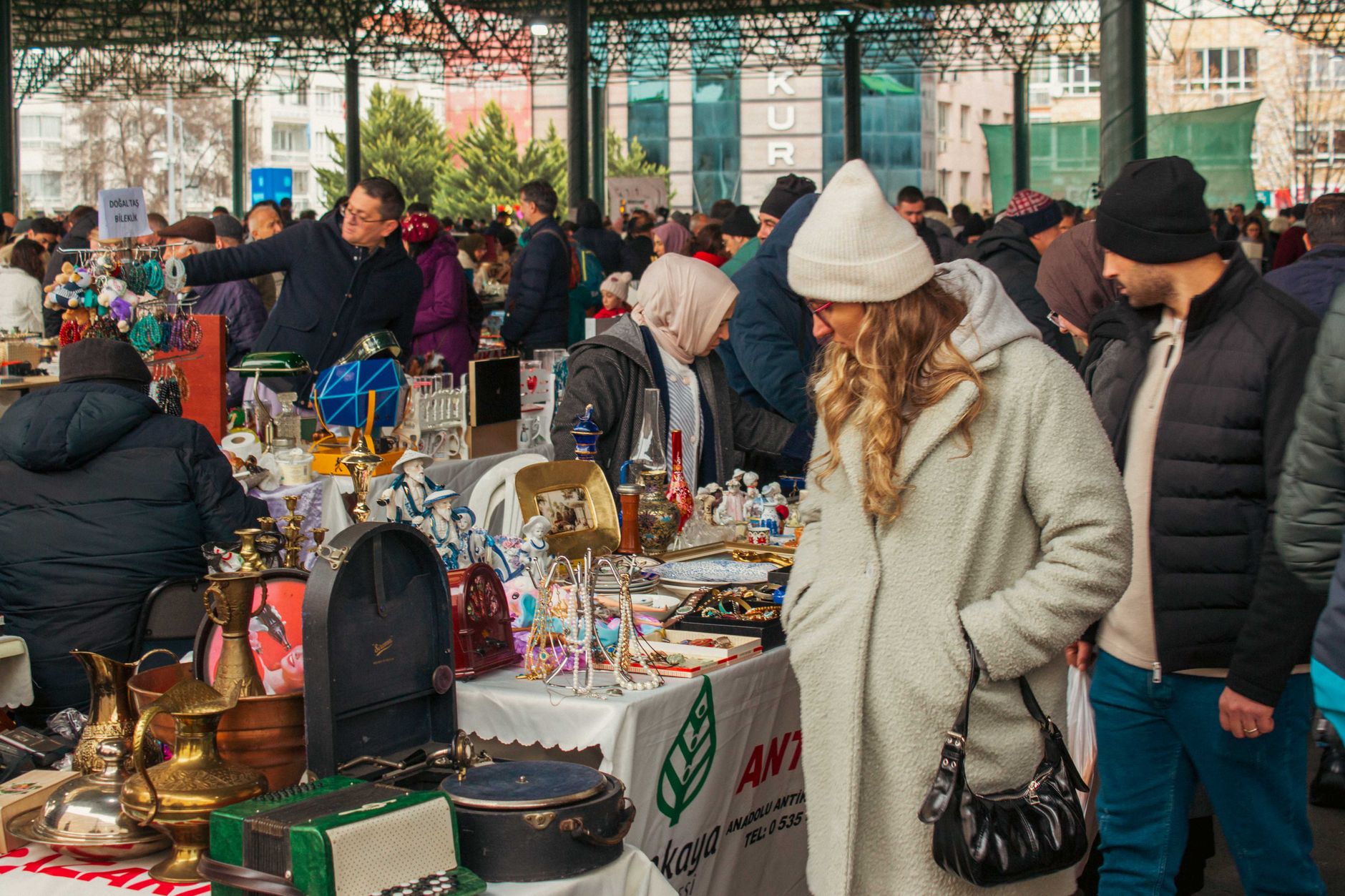
Pittsburgh's weekend flea markets: beyond Trader Jack's
Pittsburgh's flea market scene has more depth than most residents realize. From church-lot sales in Polish Hill to curated vintage collectives in the East End, there's a weekend market for every kind of hunter.
Read more →
Pittsburgh's best dog-friendly patios: where to eat with your dog
Pittsburgh's outdoor dining scene has quietly become one of the most dog-welcoming in any mid-size American city. Here's where to take your dog for a real meal, not just a water bowl on a sidewalk.
Read more →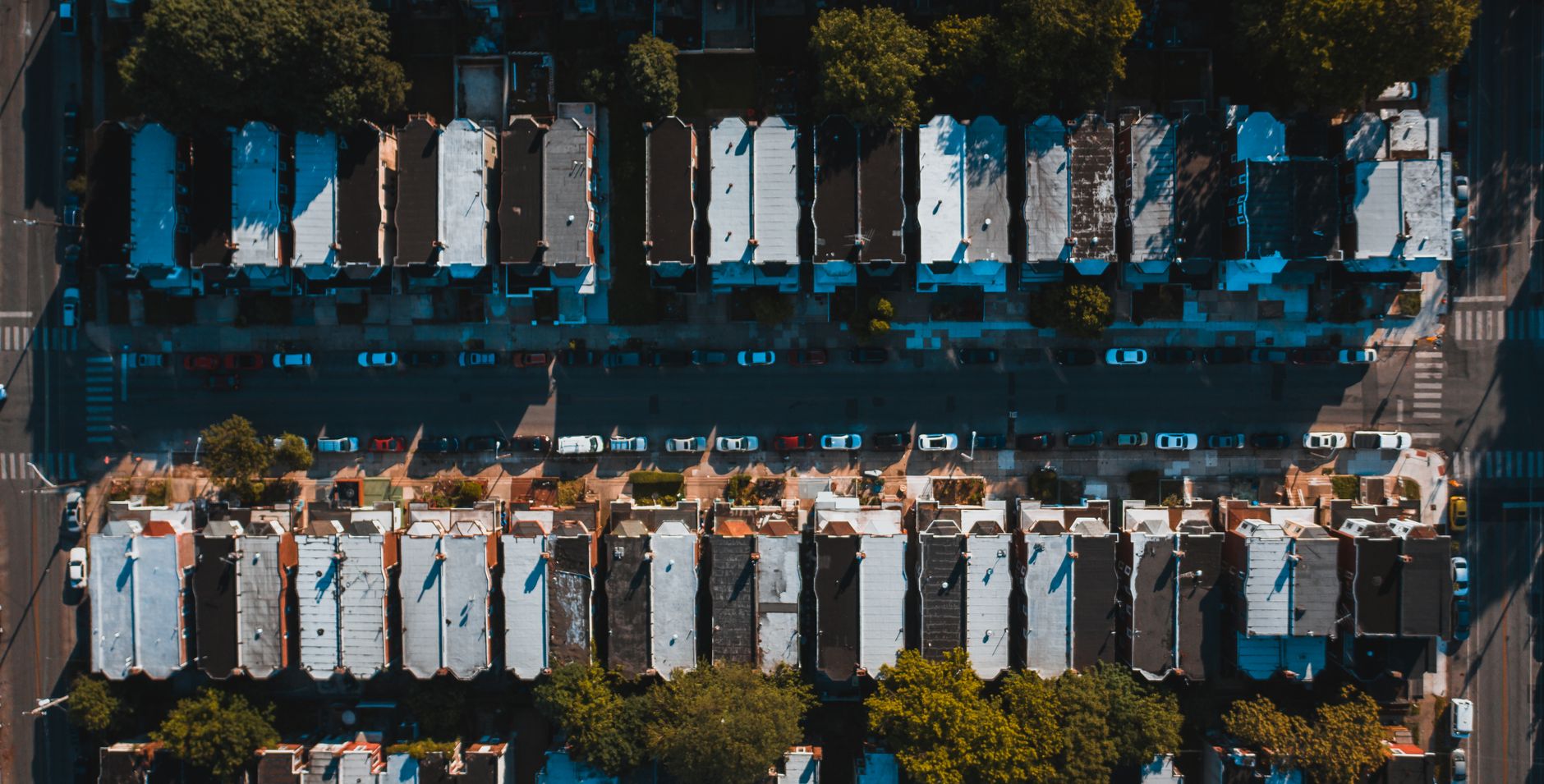
Greenfield: Pittsburgh's most quietly interesting neighborhood
Greenfield sits between Squirrel Hill and Hazelwood and gets skipped over by almost everyone who doesn't already live there. It's one of Pittsburgh's most genuinely livable neighborhoods, and it's changing faster than most people realize.
Read more →
Pittsburgh's incline trails: the steep climbs hiding above the city
Pittsburgh's hills aren't just geography. They hide a network of steep, surprising trails that connect neighborhoods and deliver skyline views most residents have never seen.
Read more →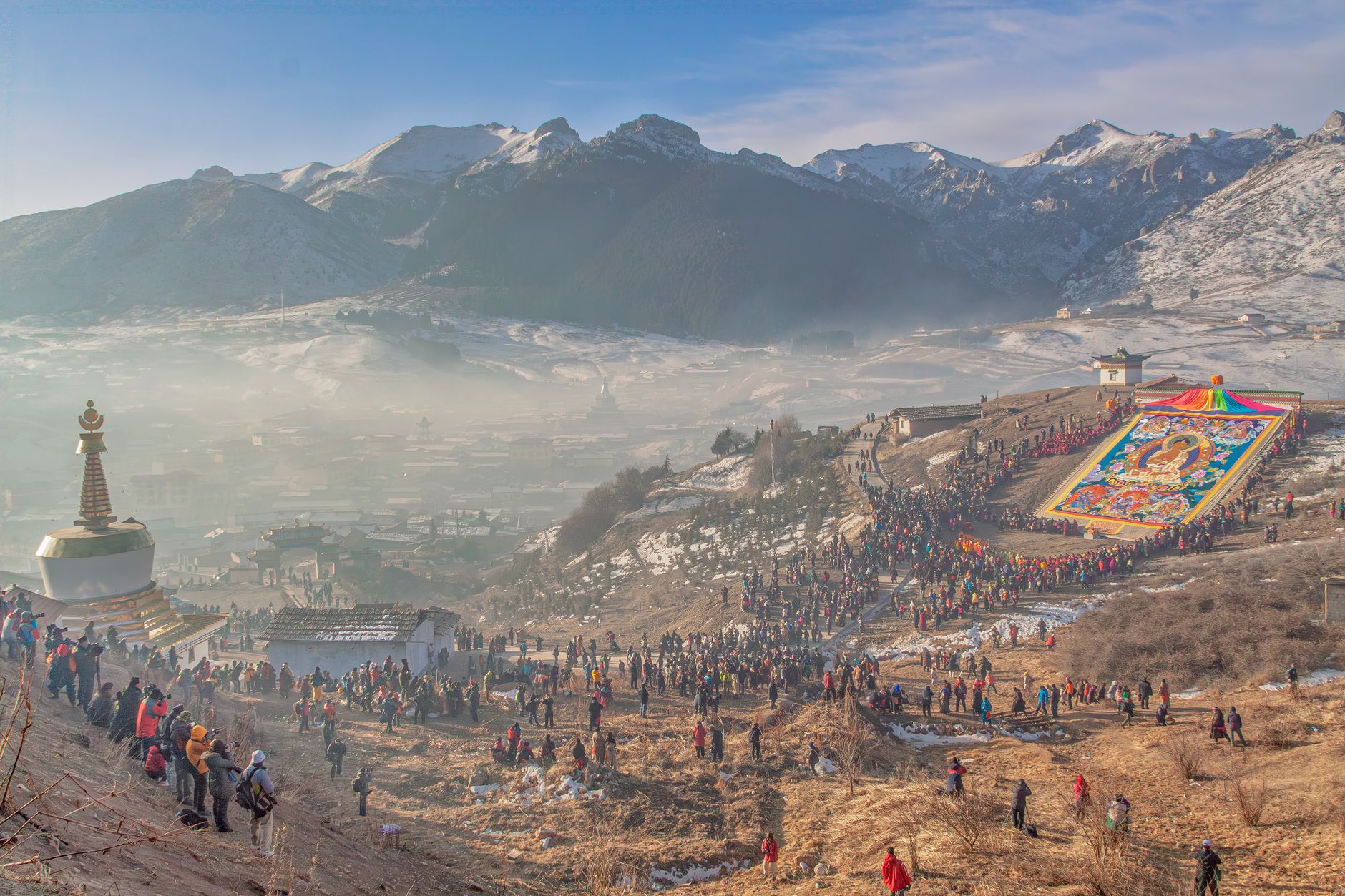
Himalayan country roots in Pittsburgh: a community finding home
Pittsburgh has become an unexpected landing point for immigrants from Himalayan countries like Nepal and Bhutan. Their story is one of resilience, food, culture, and deep neighborhood roots.
Read more →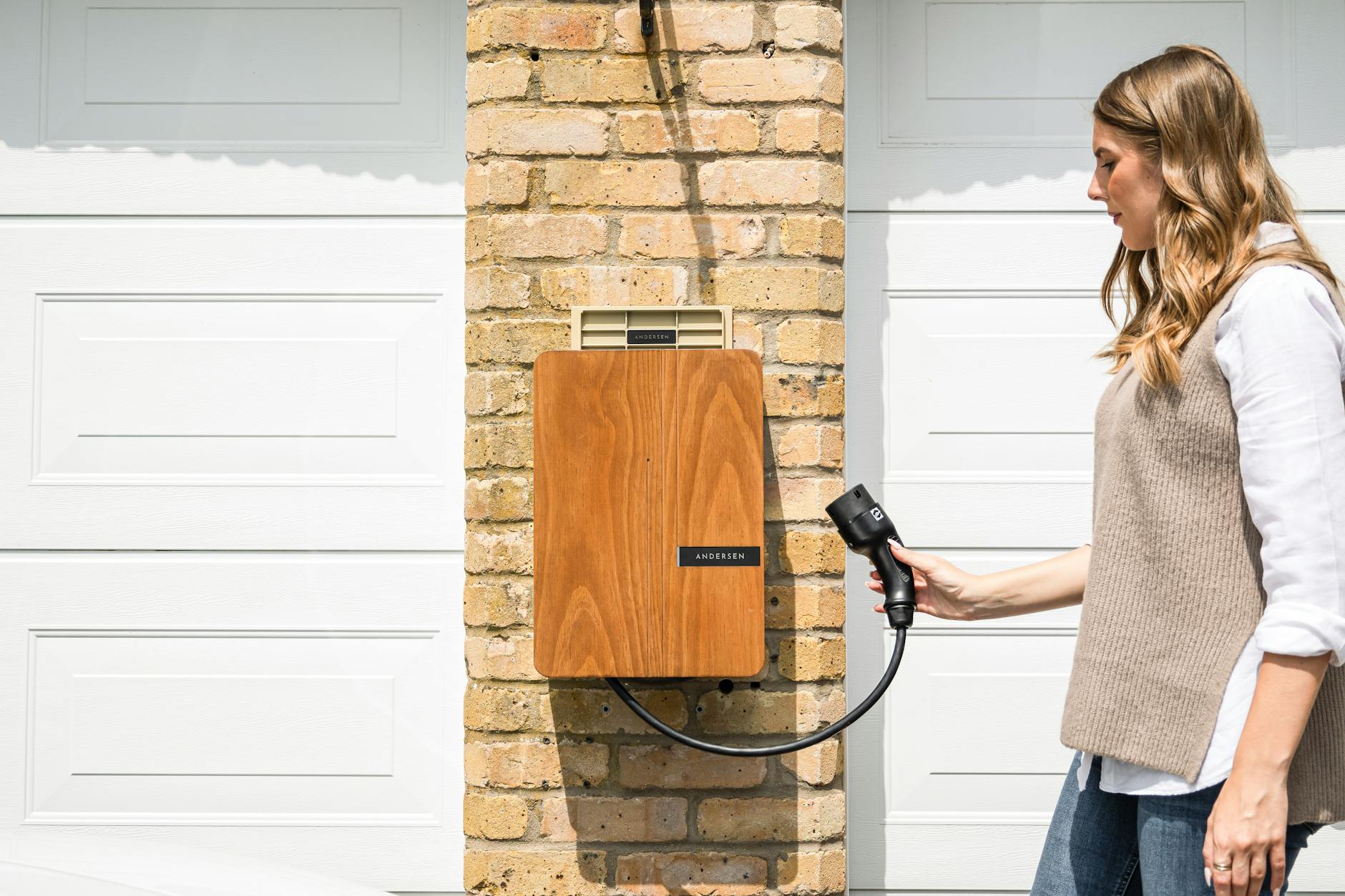
Tesla high power wall connector cost: what to budget
If you're budgeting for a Tesla Wall Connector, the price of the hardware is only part of the story. Installation, electrical upgrades, and local permit fees can add up fast.
Read more →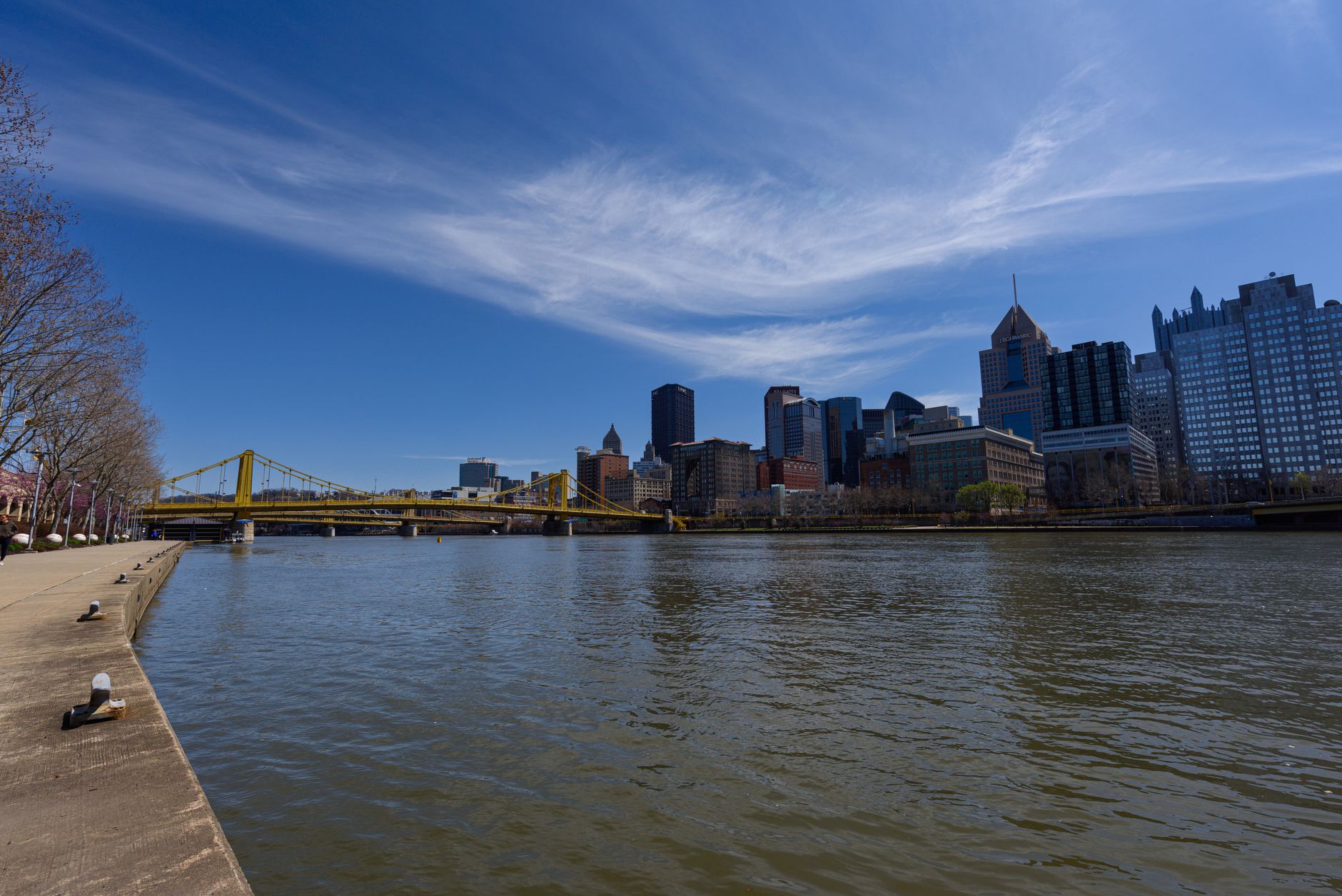
Riverlife Pittsburgh: how the city reclaimed its waterfronts
Riverlife Pittsburgh has spent more than two decades turning industrial remnants along the city's three rivers into vibrant public spaces. The results are reshaping how Pittsburghers experience the water's edge.
Read more →
Teach in Pittsburgh: what new educators need to know
Pittsburgh's schools are hiring, its cost of living is manageable, and the city's neighborhoods offer a quality of life that few mid-size cities can match. Here's what educators considering the move need to know.
Read more →