Friday, March 19, 2010 | Follow Us:
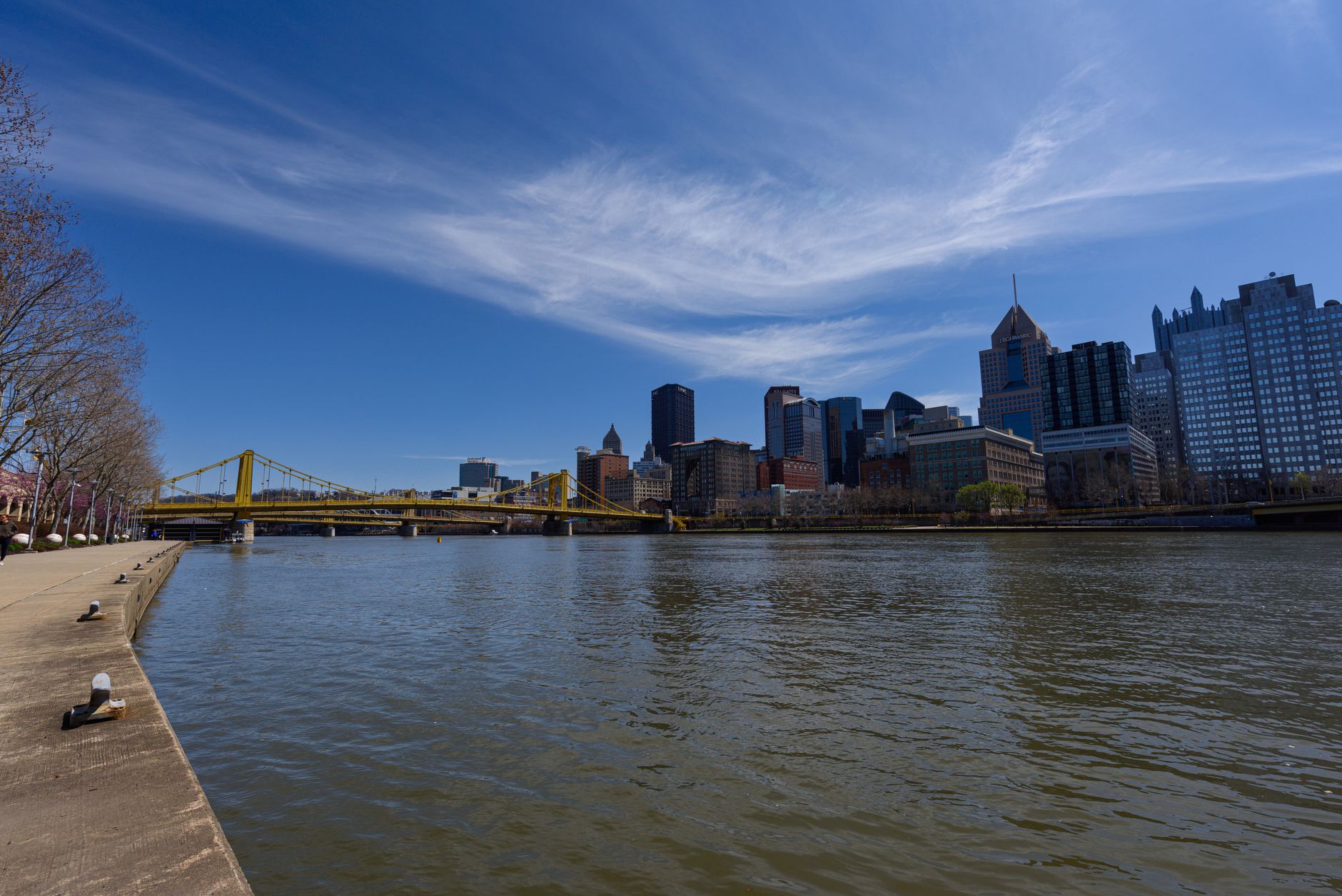
The Baltimore and Ohio Rail Bridge Reflected in the Monongahela River.  Photograph Brian Cohen
The Baltimore and Ohio Rail Bridge Reflected in the Monongahela River. Photograph Brian Cohen

Features

The Westmoreland Celebrates 50

Related Images

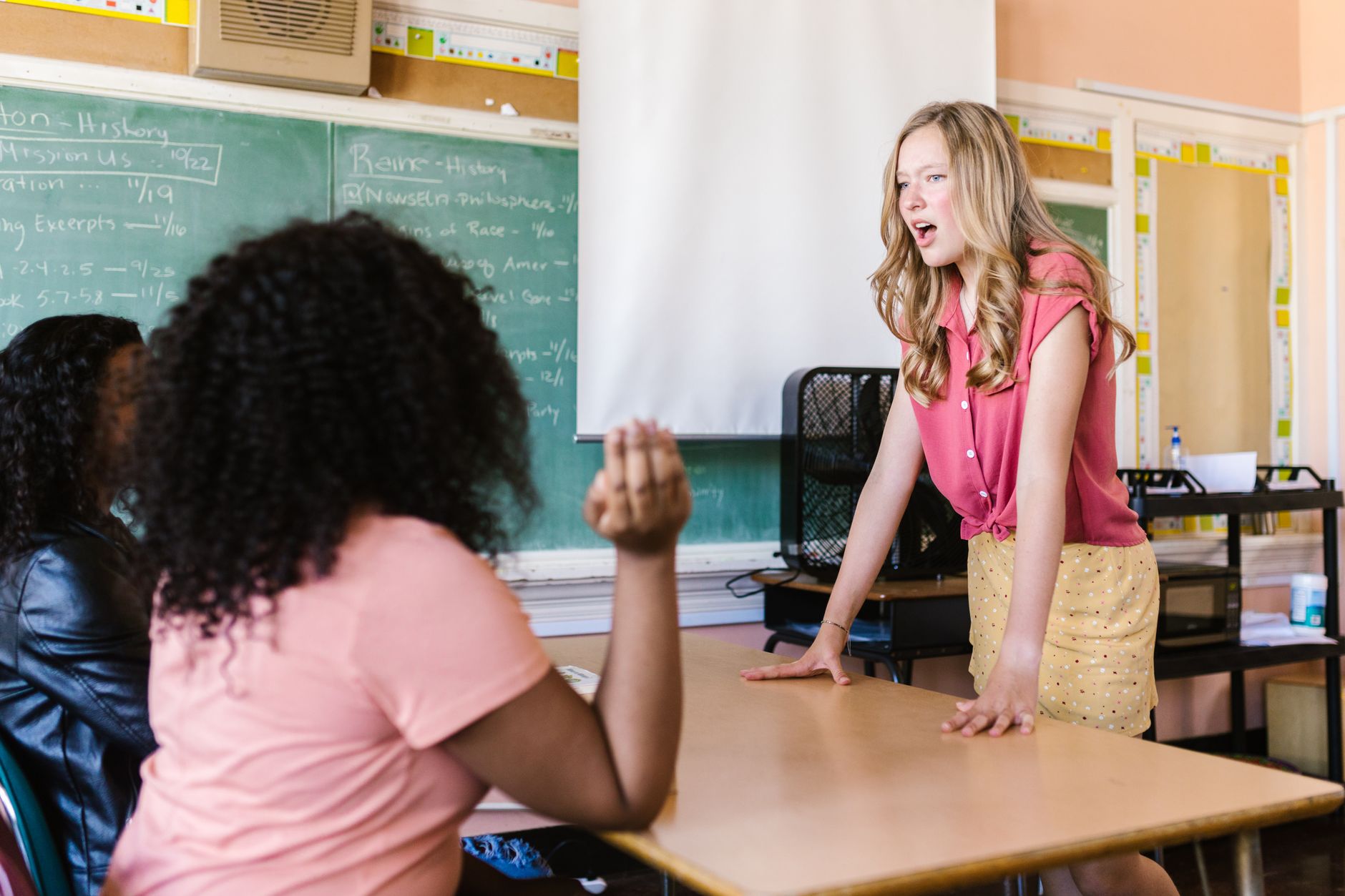
A group of middle school students sit on little red foldout stools that look like hotel luggage stands. The gallery is completely silent, the kids intent on the landscape paintings on the walls and the open sketchbooks in their laps. Then, in joyful juxtaposition to the students’ mute concentration, the museum’s director comes through the front doors just off the gallery, chuckling with a coworker, a chocolate milkshake from the local coffee shop in hand.

Welcome to The Westmoreland.

This year marks the 50th anniversary of The Westmoreland Museum of American Art, located in Greensburg, 35 miles from downtown Pittsburgh. Founder Mary Marchand Woods, a Westmoreland County native, didn’t have an art collection to bequeath, which is how most museums are started. Instead, she left $2 million for the cause of creating an art museum here, with two directives: that it should be relevant to the community and educational in nature. Construction began after her death in 1953, and the museum opened its doors on May 29, 1959.

Local Roots
It was up to the museum’s first director, Dr. Paul A. Chew, to choose how to structure the museum’s collection. He decided to focus on American art, with an emphasis on Pennsylvania artists, especially those from the southwestern corner of the state. This intense connection to place makes The Westmoreland unique.

“One of the highest compliments I think we were ever given was by a guest speaker, a New York art dealer who had made presentations all around the country about American art,” says Judith Hansen O’Toole, the current director. “He said that when he came to the Westmoreland, he didn’t have to go to his jacket pocket and pull out his airplane ticket to remember where he was. He knew by looking around the galleries that he was in Southwestern Pennsylvania. Maybe 10 or 20 years ago, someone would have taken that as a ‘slam,’ because all museums try to be the ‘mini-Whitney Museum of American Art’ wherever they are. But one of the things this museum has always been is a museum for its community.”

This sense of community expands beyond the historic city of Greensburg and into the surrounding counties and countryside, as well as into the legacy of Pittsburgh itself. Two galleries on the ground floor of the museum showcase scenes from the region’s natural and industrial pasts.

Landscape paintings fill the first gallery, depicting the natural beauty of the region in the mid-1800s. But similar scenes – of tree covered hills, babbling brooks, and lush, quiet valleys – can still be found in the region today. This gallery features works from the Scalp Level School, founded by George Hetzel, an artist who lived in Pittsburgh in the 1860s, during the heyday of industrialization. “Hetzel was trying to escape from the polluted environment to a more natural setting,” explains Barbara Jones, the museum’s curator. He found it in an idyllic spot near Johnstown and subsequently shared it with his fellow local artists, who became equally enamored with it.

The adjoining gallery, with its images of Pittsburgh’s steel industry in the early 1900s, is the perfect counterpoint to these landscape paintings. “Thirty to forty years after Hetzel and his friends were fleeing the city and industrialization, a new generation of artists was inspired by the power and fire of steel,” says Jones.

National Vision
Not all of the art on display at The Westmoreland is from local and regional artists. Among the museum’s national collection are works by Mary Cassatt, Winslow Homer, John Singer Sargent, and Louis Comfort Tiffany, who created a custom window for Greensburg resident Thomas Lynch around the year 1905.

O’Toole, who is the second director in the museum’s 50-year history, explains that The Westmoreland’s collection philosophy is to achieve as much depth as possible in the regional collections, while obtaining representative works for the national collection. “As American art becomes more significant, and more collectors go after it, and more museums try to acquire it, the regional collections will become increasingly important, because we’re sitting on this concentration of works of artists who never made it to the galleries in New York – but who are on their way there now,” O’Toole says.

Those young people sketching in the landscape gallery were students from the Greensburg Salem Middle School, located just across the street from the museum. True to Wood’s founding vision, education is a large part of the museum’s mission. The Westmoreland hosts summer art camps and classes, outreach presentations, and museum tours, all designed to help young people appreciate art, both by looking at it and by making it. In late 2008 the museum launched Imagine Nation, an umbrella program for its youth-centered initiatives.

As interest grows in its collections and programs, The Westmoreland is considering an expansion to create more classroom and studio space, as well as additional gallery space to accommodate its recent acquisition of a large collection of folk art. “Folk art has always had strong public interest because it’s easy for people to connect with it,” says O’Toole, noting that it is also growing in stature in the academic world.

Celebrate with The Westmoreland
 “If you’ve never been here, this is the year to visit,” O’Toole says. In fact, this month is the perfect time for a visit. During the last weekend in May (May 29-31, 2009), the museum will host family-friendly festivities to celebrate the museum's 50th birthday. Or if you’re looking for something a little more glamorous, consider attending Golden Reflections: The Fiftieth Anniversary Museum Ball on Saturday, May 30.

Whenever you visit, and whatever your art knowledge, O’Toole wants you to feel welcome at The Westmoreland. “Art is really a very basic thing: It’s all about a viewer looking at an object; and whatever you bring to it, you bring to it,” she says. “You can come at any level and you can have a great experience. You can have fun at the museum.”

To receive Pop City free weekly, click here.
Jennifer McGuiggan is a freelance writer and editor. You can find her online in The Word Cellar.
Captions: School group before the Tiffany window; Barbara Jones (left) and Judith O'Toole; gallery; museum facade; Judith O'Toole

Photographs copyright Brian Cohen