The Price is Right
Jennifer McGuiggan |
Wednesday, August 09, 2006
Whether you’re looking for a night out on the town or a night spent at home, Pittsburgh offers plenty of affordable options. With a cost of living that’s just 93% of the national average, your dollar stretches further here than in other cities. That’s one reason why Pittsburgh ranked nine on Kiplinger’s Personal Finance magazine’s recent list of 50 Smart Places to Live. Beside factors such as quality health care and great quality of life, the ranking was based on good value in home prices and a reasonable cost of living.
“What really drives our cost of living down is the housing prices,” says Jerry Paytas, director of the Center for Economic Development at Carnegie Mellon University.
According to ACCRA , the national authority on costs of living around the nation, Pittsburgh’s housing prices are just 88.7% of the national average which causes some newcomers to experience reverse sticker shock.
"Occasionally we bring people into Pittsburgh who can’t even find a house that costs as much as the house they’re leaving – which is a pleasant surprise,” says John Thornburg of the national executive search firm Witt/Kiefer. All in all, he says, “They’re not going to find a better deal in other similar cities.”
As a non-native Pittsburgher, Rich Belloli, executive director of South Side Local Development Company, has a keen appreciation for the city’s housings costs. “We refer to it as the ‘Pittsburgh half-off housing sale,’” he cracks.
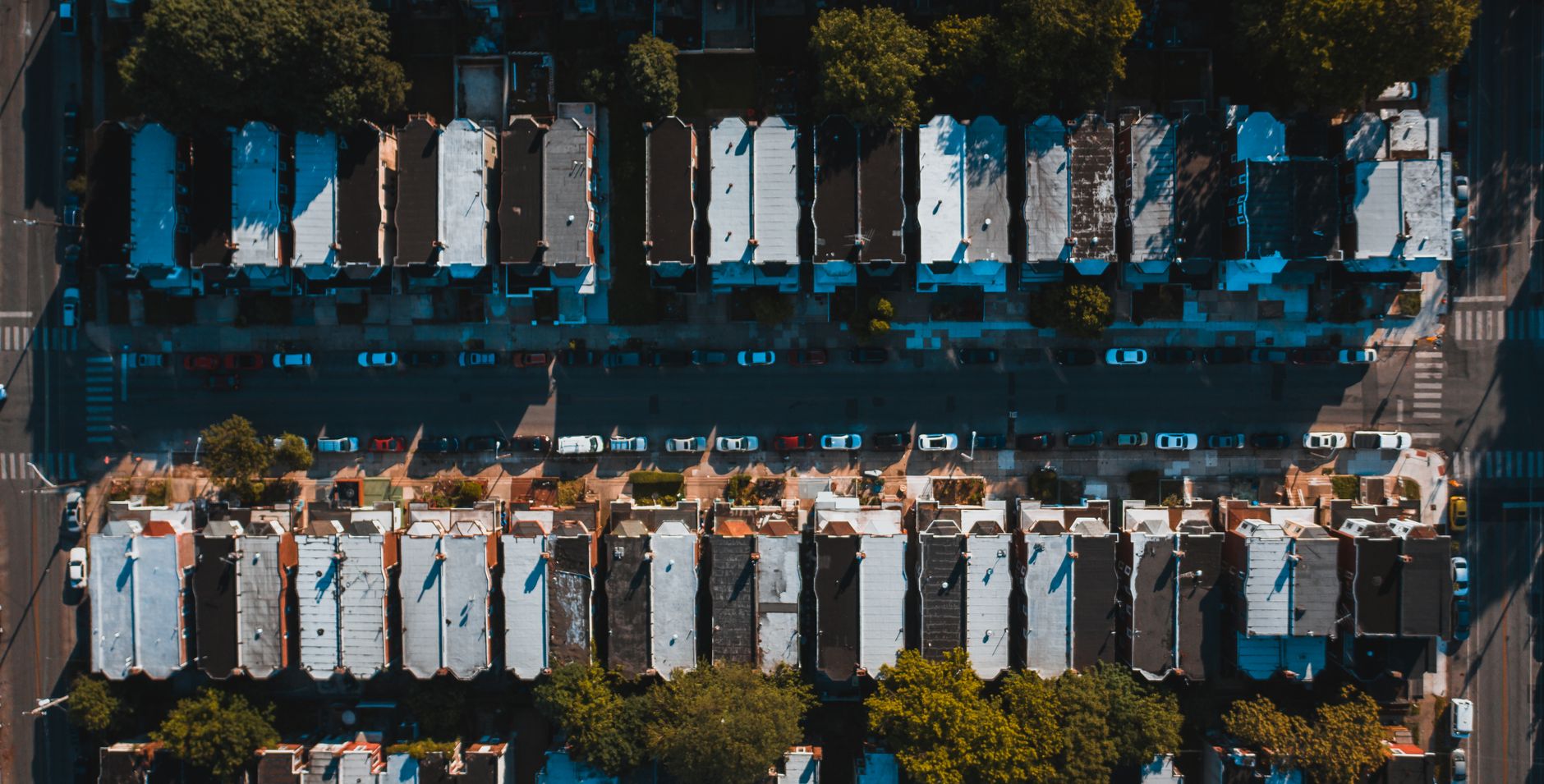
By anyone’s measure, it’s a bargain. In 2005, the average cost of an existing home nationwide was $266,600, according to the National Association of Realtors. While the median price that year was $219,600, the median price of a house in Pittsburgh was significantly lower at $116,000.
Of course, there’s no one-size-fits-all housing solution and although property taxes are high,er than average, it's still a great deal. Here’s a look at the average costs (over the last 18 months) of three very different local markets, courtesy of RealSTATs , a locally owned and operated real estate information company.
The average cost of a house:
· In Lawrenceville is $52,105. According to the 16:62 Design Zone , many of the older homes in Lawrenceville were built before the 1940s and can be restored due to the high quality of the original construction.
· In Murrysville is $228,641, with the median price of a home in this Westmoreland county suburb ringing in at $190,000.
· In the South Side for a condo is $250,434, with prices covering a wide range, from $73,000 to $585,000.
Day to day
Although housing is the major factor, “It’s also impressive to point out that the low cost of living is across the board,” says Thornburgh. “It’s not just in the relatively affordable housing; it’s in the day-to-day living expenses that people incur.”
One bonus? “We don’t have sales tax on food and clothing, “ points out Jeanne Antonuccio, owner of About Pittsburgh, Inc. Not to mention all the freebies that we enjoy. “We have a lot of free concerts,” says Antonuccio. “Lunchtime concerts, Hartwood Acres, Bach, Beethoven and Brunch, First Fridays at the Frick.”
And if you’ve lived in places like Los Angeles you’ll appreciate one bargain: car registration. It’s a deal at $36, no matter what kind of vehicle you own, she says.
Weida Tucker, of executive search firm W.G. Tucker and Associates, says. “I think Pittsburgh is one of the well-kept secrets in terms of affordability of housing, quality of life, and family life in general.
ACCRA’s cost of living index takes a lot of things besides housing into consideration, including groceries, transportation, and medical services. You can compare the cost of living in hundreds of cities using ACCRA’s data at BankRate.com . Although factors such as taxes and average salary are not accounted for in these figures, the relocation calculator on Salary.com sheds light on how Pittsburgh’s salaries and cost of living stack up against other cities.
For example, take Atlanta, number four on Kiplinger’s list. According to Salary.com, the cost of living is 3.5% higher and employers pay an average of 0.8% more than in Pittsburgh. So even with a moderate increase in salary, the cost of living is still 2.7% higher in Atlanta.
When comparing the cost of living in different cities, Jim Futrell, vice president of market research and analysis at the Allegheny Conference on Community Development, says, “You have to look at the size of the market and the regional economy.” He points out that Sun Belt cities are growing much faster than cities in our region but Ohio cities make good comparisons. So Cincinnati’s cost of living is on par with Pittsburgh, while Columbus’ cost of living is higher at 102.3% of the national average.
In Philadelphia, according to the Money Magazine Web site, it costs considerably more to live than in Pittsburgh--49% more in housing, 14% in groceries and 32% in utilities.
It sells
This past spring, Leadership Pittsburgh conducted a survey to find out how local recruiters attract young professionals to the region. Survey creator Joseph Ott, a research analyst for Pittsburgh Community Reinvestment Group, says, “One of the benefits that came out was the cost of living.” In fact, 97% of survey respondents said that the cost of living was a positive selling point.
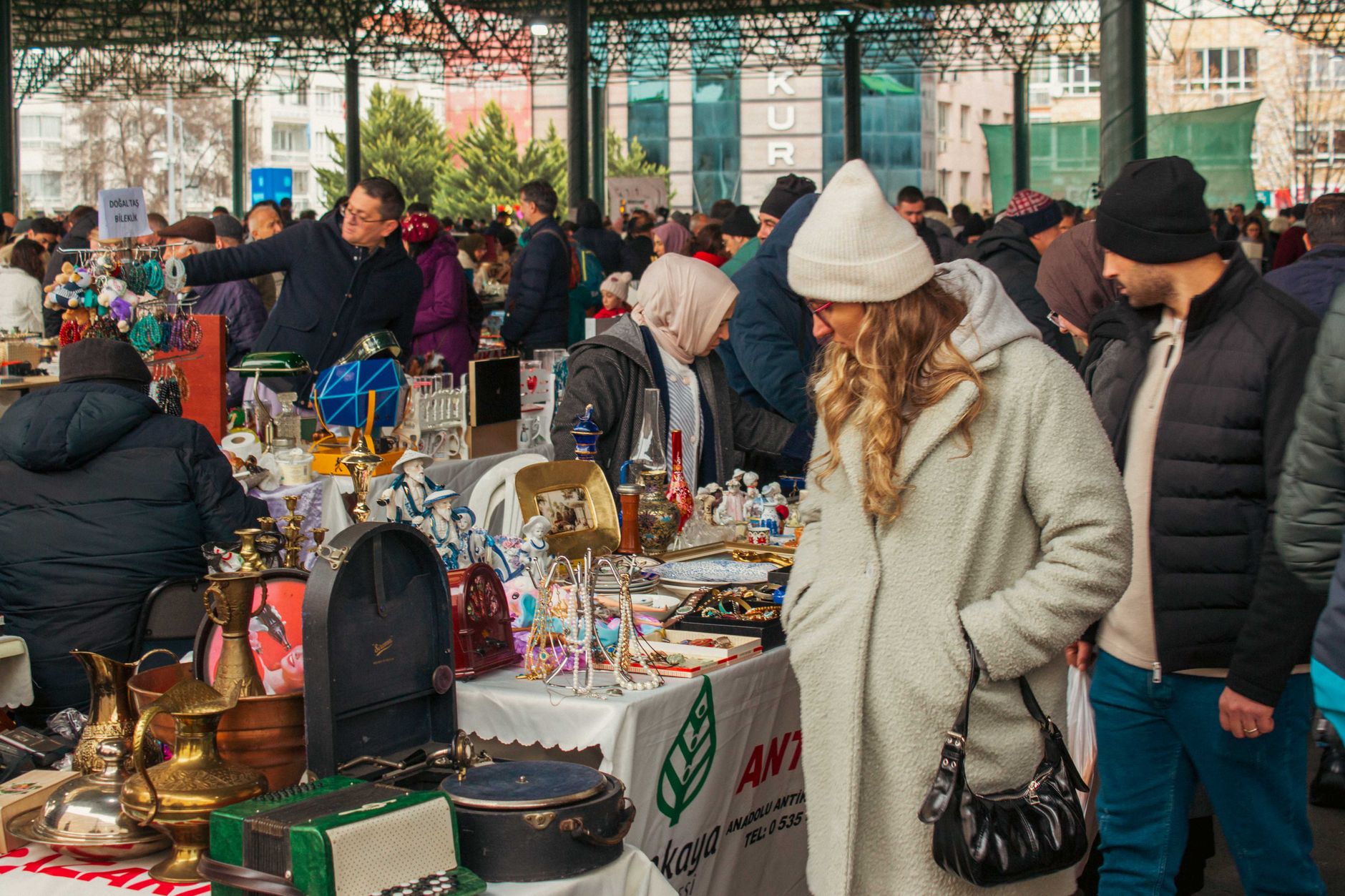
As executive director of PUMP (Pittsburgh Urban Magnet Project), Erin Molchany is in tune with the city’s young and young-thinking professionals. She points to the variety of cultural amenities and restaurants as great assets. “I do think that Pittsburgh has a lot of great restaurants that are relatively inexpensive, and they are usually neighborhood type restaurants,” she says. “I mean, you can spend $25 and have a really good dinner out.” She pauses then adds, “You can probably spend less.” Easily in some spots.
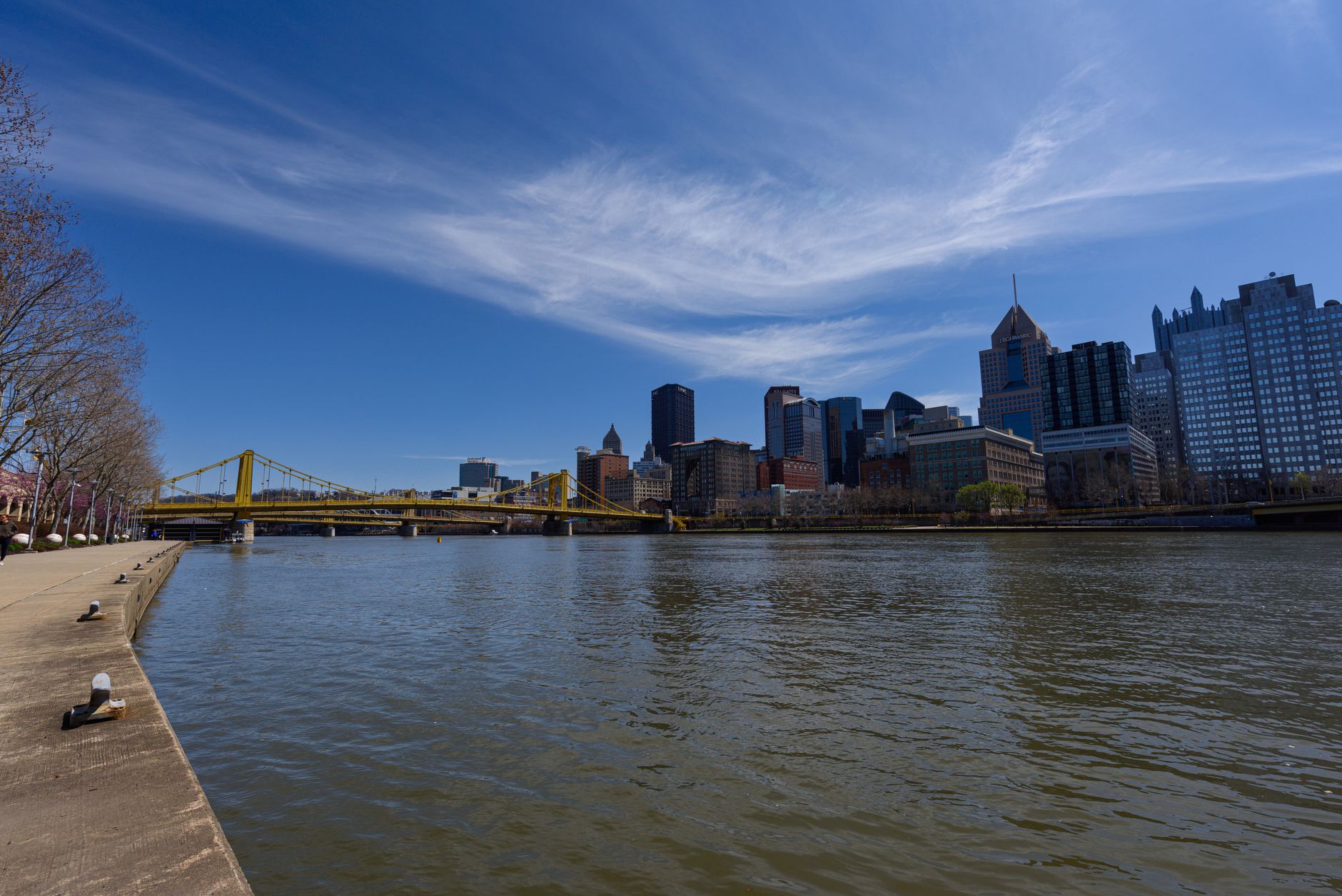
As for activities? Endless. Rent a kayak and ply the rivers. Buy a ticket to the one of the best ballparks in the country for only $9. See a great concert at Club Café for under $20. Embark on a free gallery crawl downtown or in any number of hip neighborhoods. When it comes to cultural events, the problem isn’t finding something to do; it’s choosing from all the options.
It’s all impressive, especially to newbies in town but time and again, it’s the housing prices that Pittsburgh advocates come back to time after time. Christine Probert of Presenting Pittsburgh says that in other markets, being able to spend $150,000 on a house relegates you to renter status. Not so in Pittsburgh. “One of the things that we consistently see, particularly among young people, is that they realize how much sooner they can purchase a home,” Probert says. “And for people coming from the big markets, the idea that you can spend half as much and have more house is really appealing.”
As the hiring committee chair for Kirkpatrick & Lockhart Nicholson Graham LLP, Mark D. Feczsko sees firsthand how outsiders react to the cost of living here. Young associates, he says, “just can’t believe that you can come to Pittsburgh – and in your first year of working – you can buy [a place to live].” “Pittsburgh has all the advantages of a big city without all the disadvantages," he says. Which says it all.
Jennifer McGuiggan is a freelance writer and editor, and owner of The Word Cellar . She writes for a variety of publications and clients, including businesses, entrepreneurs, and non-profits
Photos:Family home in Highland ParkVietnamese sandwich stand in the Strip DistrictClub Cafe in the South Side FlatsThai Gourmet in Bloomfield
PNC Park
All photographs copyright © Jonathan Greene